Act to Feel: Why Behaviour Activation Works Better Than Waiting to Feel Better
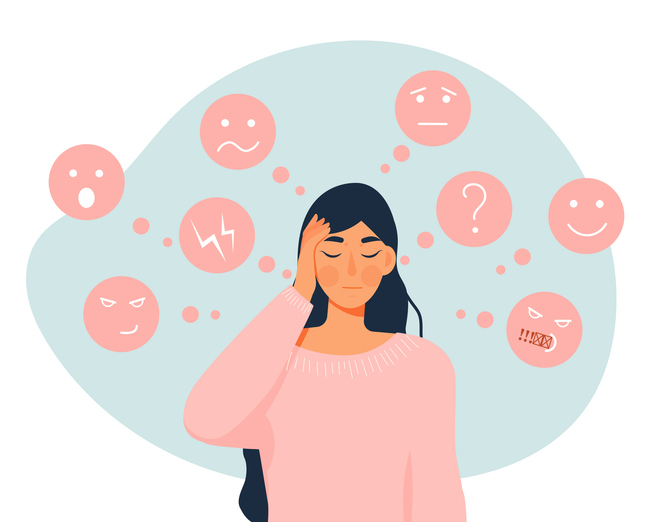
Many people believe motivation comes first.
They think:
- “I’ll exercise when I feel motivated.”
- “I’ll socialise when I feel less anxious.”
- “I’ll clean my room when I feel energised.”
- “I’ll start living again when I feel better.”
But Cognitive Behavioural Therapy (CBT) often teaches the opposite:
Sometimes we need to act first, and feelings follow later. This idea is central to Behavioural Activation, a powerful CBT approach used especially for depression, low motivation, avoidance, and anxiety.
Why Waiting to Feel Better Can Keep Us Stuck
When someone feels low, anxious, burnt out, or depressed, the natural instinct is often to withdraw, whereby they may:
- Stay in bed longer
- Cancel plans
- Avoid responsibilities
- Stop exercising
- Isolate from others
- Delay important tasks
These choices may bring short-term relief. But over time, they often create:
- Less confidence
- Less pleasure
- More guilt
- More stress
- More loneliness
- Lower mood
Low mood can lead to avoidance of activities, such as going for a walk or completing daily tasks. This avoidance reduces opportunities for positive reinforcement or achievement, which in turn contributes to further lowering of mood.
Low mood → Avoidance → Reduced reward/achievement → Further low mood
CBT helps interrupt this cycle by encouraging behavioural activation taking small, structured actions even when motivation is low, in order to rebuild mood through experience rather than waiting for motivation to return.
What is Behavioural Activation?
Behavioural Activation is based on a simple principle: Healthy actions can create healthier emotions.
Instead of waiting for motivation, you begin with manageable behaviours that increase:
- Achievement
- Pleasure
- Structure
- Confidence
- Social connection
- Momentum
The brain often responds after behaviour changes begin.
Act to Feel, Not Feel to Act
Many people wait for emotion before action. But often it works better like this:
Action → Experience → Mood Shift → Motivation
For example:
- You don’t feel like walking
- You walk for 10 minutes anyway
- Energy rises slightly
- Mood improves a little
- Motivation becomes easier tomorrow
Small actions can create emotional movement.

Why It Works Psychologically
Behavioural Activation helps because it interrupts patterns linked with depression and anxiety.
1. Increases Positive Reinforcement
When people engage with life, they experience more reward:
- accomplishment
- enjoyment
- connection
- progress
These experiences can lift mood over time.
2. Reduces Avoidance
Avoidance often strengthens fear and helplessness.
Taking action teaches:
- “I can cope.”
- “This task is manageable.”
- “I am capable.”
3. Builds Identity
Repeated action creates evidence. Instead of saying: “I’m lazy.”
You begin seeing:
- I showed up
- I completed something
- I am improving
4. Restores Routine
Mood often improves when sleep, movement, hygiene, and routine improve.
Examples of Acting First
If you feel depressed:
- Shower first, mood later
- Walk first, motivation later
- Text a friend first, connection later
- Make the bed first, momentum later
If you feel anxious:
- Attend first, confidence later
- Speak first, relief later
- Practice first, calm later
Start Small: The 5-Minute Rule
Your brain may resist large tasks. Start tiny.
Try:
- 5 minutes cleaning
- 5 minutes stretching
- 5 minutes outside sunlight
- 5 minutes journaling
- 5 minutes replying to messages
Small wins count. Consistency beats intensity.
Important Difference: Action vs Forcing
Behavioural Activation does not mean ignoring pain or pretending everything is fine. It means taking realistic, compassionate steps despite mood.
Think:
- gentle movement
- manageable goals
- gradual exposure
- self-respect through action
Not punishment or perfectionism.
When Feelings Catch Up
Many people notice:
- Mood lifts after movement
- Anxiety lowers after facing tasks
- Confidence rises after completion
- Motivation grows after momentum begins
Often feelings are slower than actions. That is normal.

You do not always need to feel ready before starting. When mood is low, waiting for motivation can keep things stuck. Often, change begins with small, deliberate action rather than the feeling coming first.
Act to feel, not feel to act. Take one small, healthy step today and allow your mood to shift over time.
You do not always need to feel ready before starting. When mood is low, waiting for motivation can keep things stuck. Often, change begins with small, deliberate action rather than the feeling coming first.
To make an appointment with Oscar Goldberg, you can book online or call M1 Psychology Loganholme on (07) 3067 9129.
Peer-Reviewed References
- Dimidjian, S., et al. (2006). Randomized trial of behavioral activation, cognitive therapy, and antidepressant medication in major depression. Journal of Consulting and Clinical Psychology, 74(4), 658–670.
- Ekers, D., et al. (2014). Behavioural activation for depression; an update of meta-analysis of effectiveness and sub group analysis. PLoS ONE, 9(6).
- Cuijpers, P., van Straten, A., & Warmerdam, L. (2007). Behavioral activation treatments of depression: A meta-analysis. Clinical Psychology Review, 27(3), 318–326.
- Mazzucchelli, T., Kane, R., & Rees, C. (2009). Behavioral activation treatments for depression in adults: A meta-analysis and review. Clinical Psychology: Science and Practice, 16(4), 383–411.
- Kanter, J. W., Busch, A. M., & Rusch, L. C. (2009). Behavioral activation: Distinctive features. Routledge.